Browse stunning images of Neptune captured by Voyager 2, Hubble, and JWST. Click any image to view details, or schedule an observation session.
Plan your telescope time to observe Neptune. Select a date and provide your details.
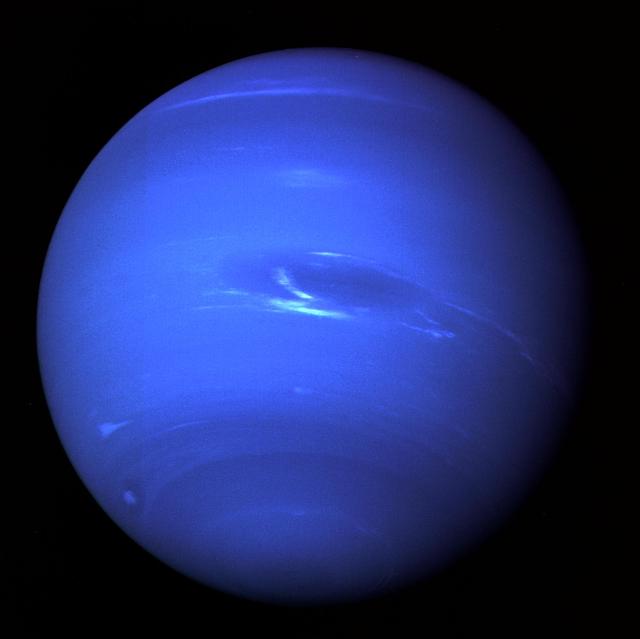
This iconic image of Neptune was captured by Voyager 2 on August 20, 1989, from a distance of approximately 7.1 million kilometers.
Camera: Narrow-angle camera
Date: August 20, 1989
Distance: 7.1 million km
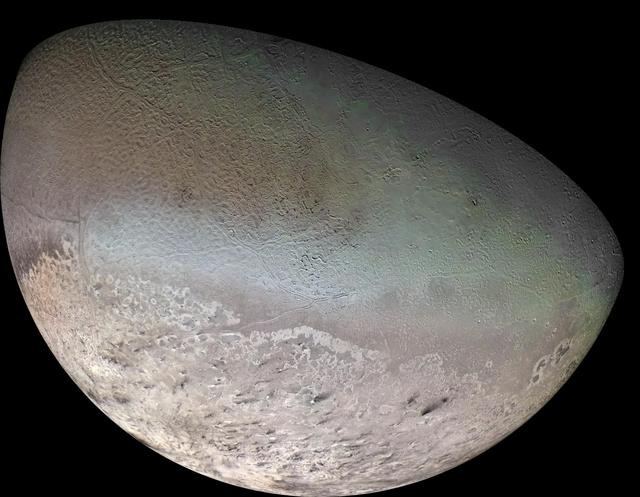
Triton displays a remarkably varied surface including the "cantaloupe terrain" — a unique pattern found nowhere else in the solar system.
Surface temperature: -235°C (38 K)
Diameter: 2,707 km
Orbital direction: Retrograde
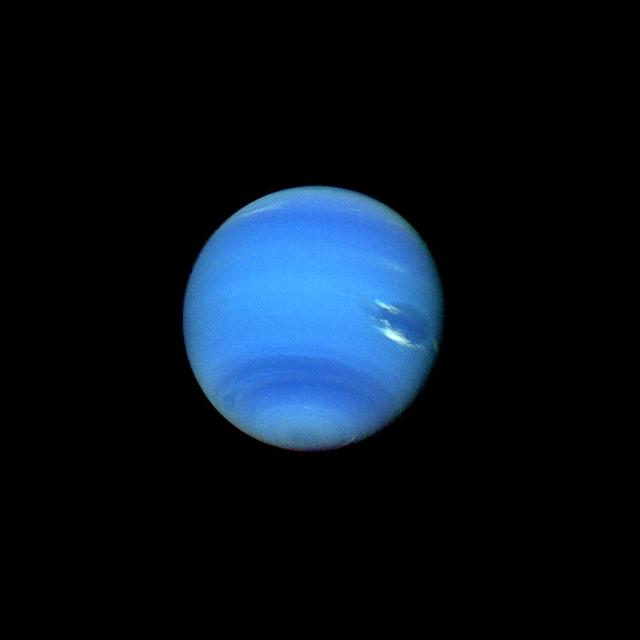
The Great Dark Spot was an Earth-sized storm system observed by Voyager 2, with wind speeds up to 2,400 km/h.
Size: ~13,000 × 6,600 km
Wind speed: Up to 2,400 km/h
Status: Disappeared by 1994
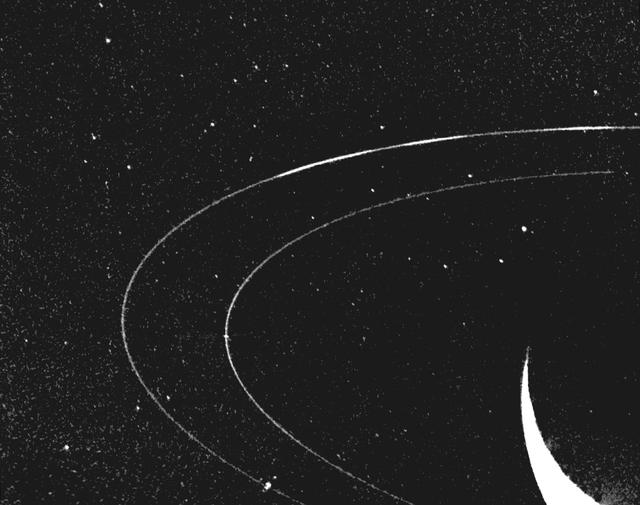
Neptune has five known rings. The Adams ring contains bright ring arcs — concentrated clumps of material.
Number of rings: 5 main rings
Composition: Ice particles and silicates
Notable feature: Ring arcs in Adams ring
| Su | Mo | Tu | We | Th | Fr | Sa |
|---|
© 2026 Neptune Observatory. A keyboard accessibility testing resource.
 Neptune Observatory